Where the tape goes
Most of the applications on this page draw on the same material: high-temperature superconducting tape, made by a small number of factories. What separates them is how much of it they need, what they are willing to pay, and whether anything is actually being built. Where a competing conductor has won the work instead, the section says so, because that is the same question answered the other way. This page sets out each one, with the numbers and what they mean.
The supply picture, first
Roughly 15 manufacturers worldwide produce high-temperature superconductor (HTS) tape, with a combined annual capacity above 5,000 km of 12 mm-equivalent tape. Four of them, all using pulsed laser deposition, account for more than half of world output between them. Tape sells for about $15 to $30 per metre against a near-term industry target of $50 per kilo-ampere-metre, with a long-term goal of $10 to $20 (Superconductivity, 2025).
Those three facts explain most of what follows. Supply is concentrated, capacity is small in absolute terms, and price still has a long way to fall. Applications that can absorb expensive conductor are being built now; the rest are waiting on the cost curve.
Where the announcements are
A count of the sourced announcements covered on this site, by application. It is a measure of industry activity as it reaches the public record, not a measure of market size, and it updates as new articles are published.
superconductortracker.com
Fusion magnets
The largest single pull on tape supply
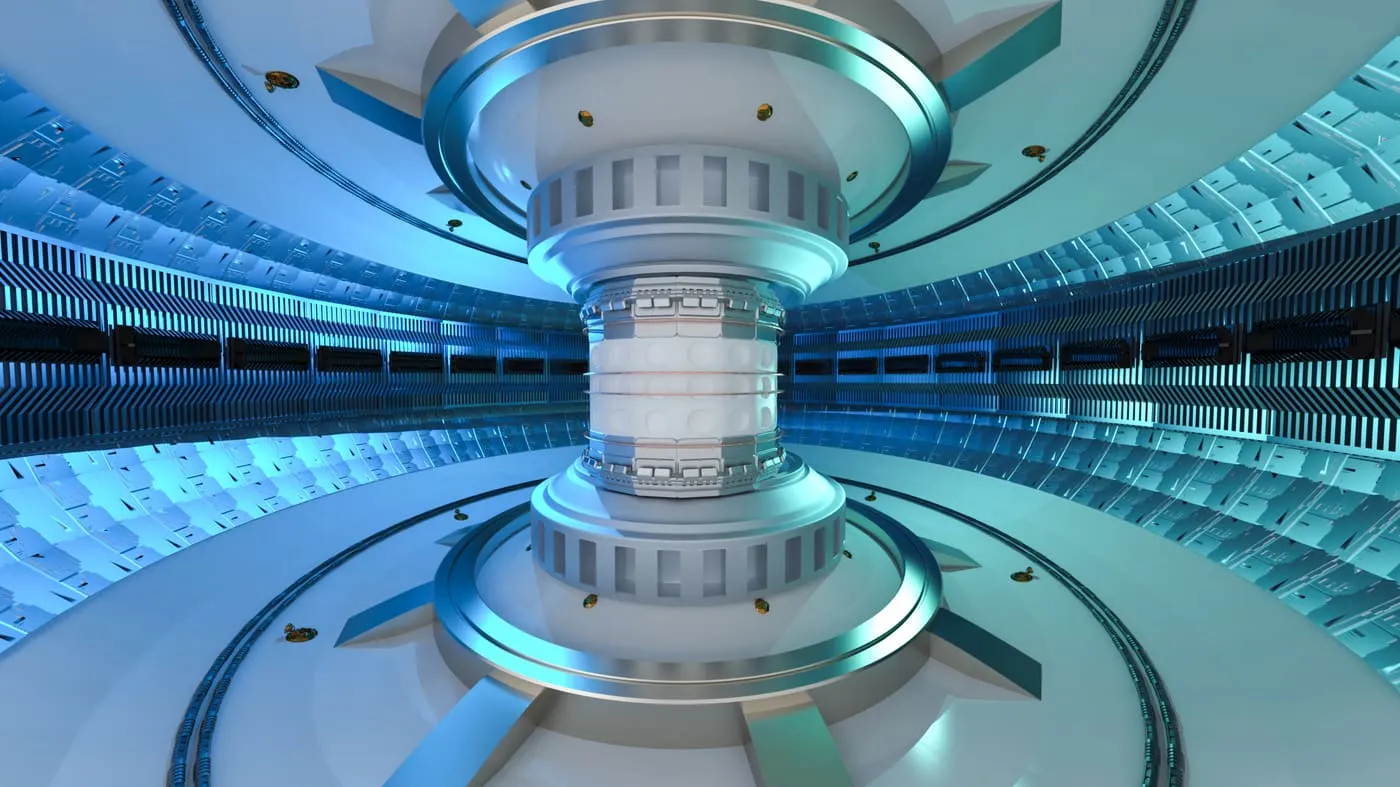
Fusion is the reason the tape industry is expanding. A tokamak's power output rises steeply with magnetic field strength, roughly with its fourth power, so a stronger magnet buys a much smaller and cheaper machine. REBCO tape carries very high currents in fields beyond anything low-temperature superconductors survive, which is what makes a compact, high-field reactor arguable at all.
The volumes are what matter commercially. Faraday Factory Japan alone had delivered a cumulative 5,000 km of tape to fusion developers by September 2024, which is roughly the whole world's current annual output. Fujikura has committed two rounds of capacity investment in two years and names fusion as the reason. When a supplier expands, read the press release for which end market it blames: at present it is usually this one.
For an investor the consequence is that fusion timelines and tape capacity are now the same question. A reactor programme cannot outrun its conductor supply, and conductor suppliers are pricing accordingly.
Recent coverage
Data centres
The fastest-growing new application
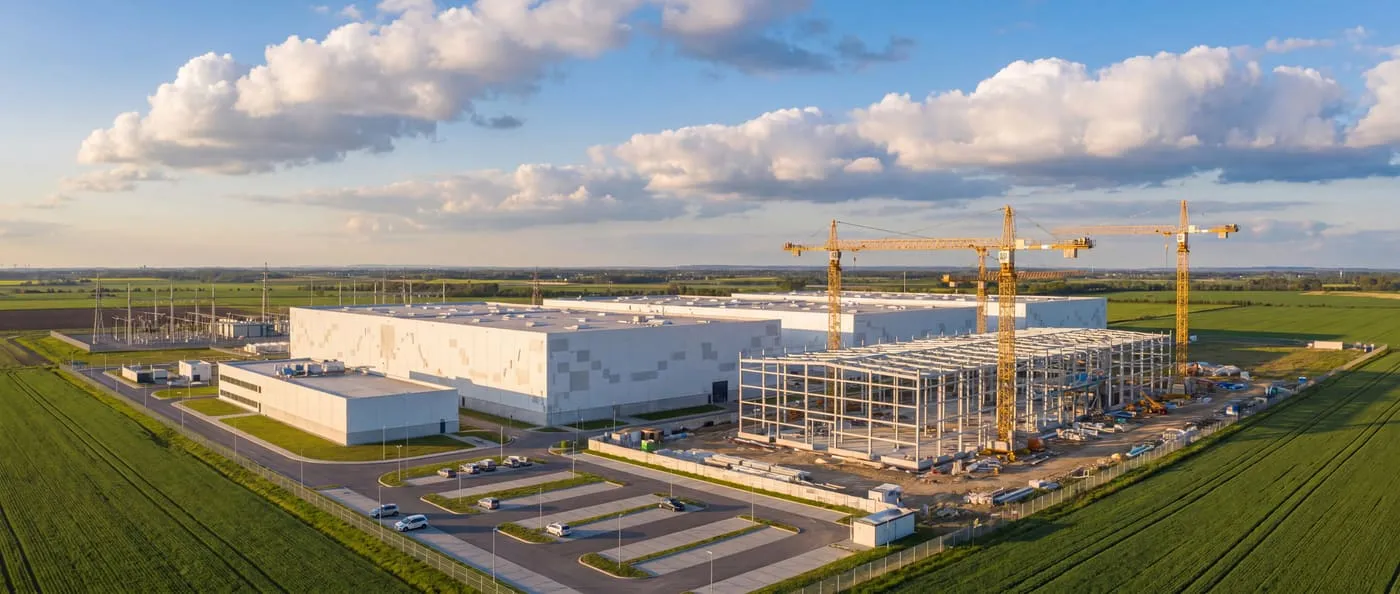
Data centre campuses need to move tens or hundreds of megawatts across short distances inside a constrained site. That is an unusually good fit for a superconductor: very high current at modest voltage, over a run measured in hundreds of metres rather than tens of kilometres, where the cost of the cryogenic plant is spread over a large power flow and the space saved has real value.
This application did not exist in the news at all before mid-2025. Since then there has been a steady run of announcements, including a Korean utility and cable maker pairing on an in-campus superconducting grid, a megawatt-scale demonstration in a simulated data centre, an Italian project running a cable inside a working research data centre, and a Japanese wire maker and cable builder agreeing to develop in-building distribution for the end of the decade.
None of it is deployed at scale yet, and the deadlines quoted run to 2030. What makes it worth watching is that the customer has money, an urgent constraint, and no strong attachment to conventional copper.
In the cable table: Ishikari DC cable project
Recent coverage
Grid transmission and distribution
The oldest application, and the deepest project record
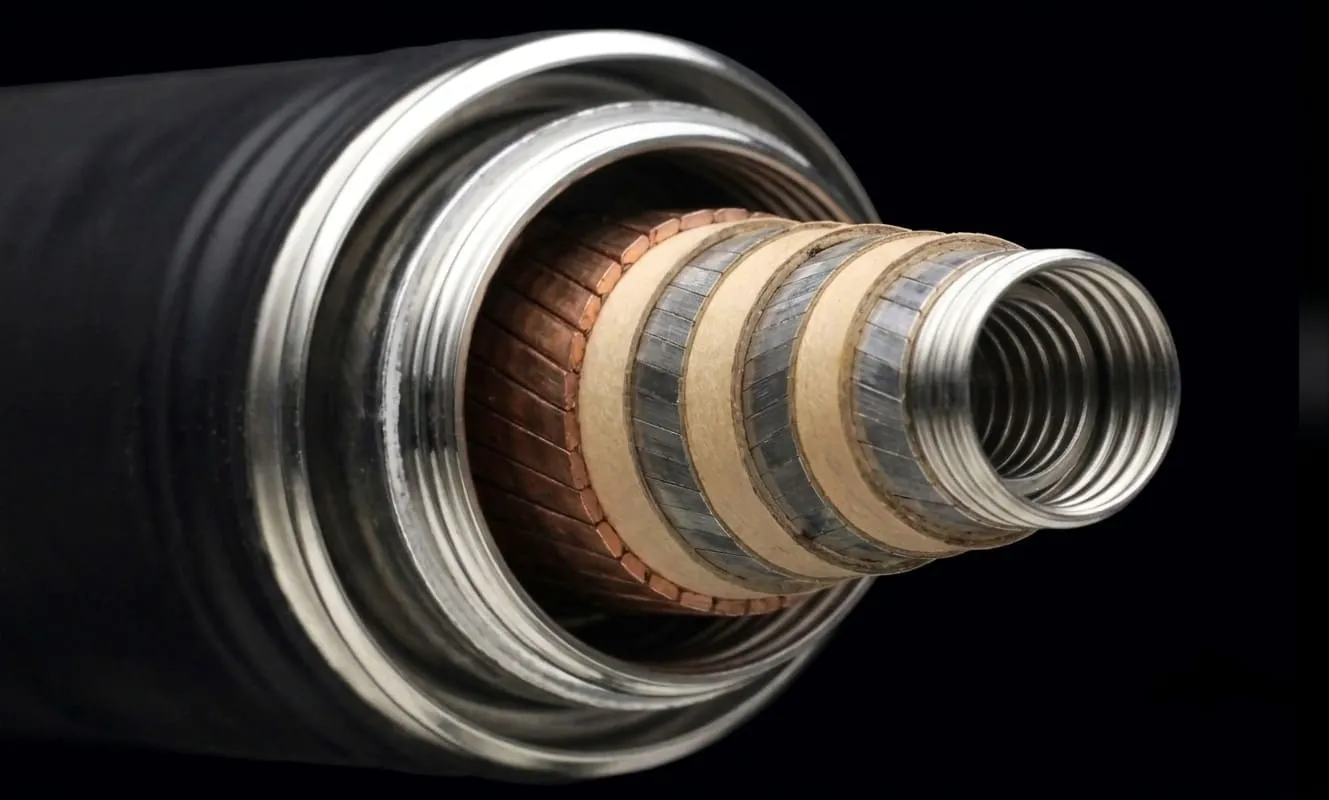
Putting superconducting cable into a public electricity grid is the application with the longest history and the most completed hardware. A superconducting circuit moves several times the power of a conventional cable through the same trench, which is worth most in dense cities where digging a new route is expensive or simply impossible, and in substations where the alternative is a new building.
This is what our project table covers in detail: cables in Essen, Chicago, Shanghai, Shenzhen, Seoul, St Petersburg and Long Island, alongside planned links such as the 110 kV SuperLink in Munich. Fault current limiters belong here too, because they do something no conventional device can, passively limiting a fault and then resetting themselves.
The honest commercial read is that grid deployment has been slow and mostly grant-funded for two decades. It is a real market with real installed hardware, but it is no longer the one setting the pace.
In the cable table: AmpaCity, SuperLink, Shanghai Xuhui 35 kV cable
Rail traction power
Small, but an unusually good technical fit
DC railway networks move very large currents at low voltage, which is precisely a superconductor's preferred regime, and substation capacity is what limits how many trains can run. Reinforcing the feed with a superconducting cable can add capacity without building a new substation, which in a city centre may be the only option available at any price.
The Paris Montparnasse SuperRail installation feeds the 1,500 V DC traction supply at 3,500 A per cable, a world first. Separately, Nexans and SNCF Réseau put a superconducting fault current limiter on the Belfort to Delle line, again a first for a rail power supply.
Volumes here are small and will stay small. The value is as a reference: rail operators are conservative buyers, and a working installation on a national network is a credential that transfers to other infrastructure customers.
In the cable table: SuperRail, Paris Montparnasse
Recent coverage

Naval and defence
Small volume, high value per metre
Warships have to manage their magnetic signature, and the coils that do it are a natural fit for superconductors: the same job done with far less weight and electrical load, both of which are tightly budgeted aboard a ship. Degaussing is the established use; superconducting propulsion motors and generators have been demonstrated but not fielded at scale.
AMSC won roughly $75 million for its first allied-navy Ship Protection System order, for the Royal Canadian Navy's new surface combatants, following earlier deployment on United States Navy amphibious ships.
For an analyst this segment behaves differently from the rest: procurement cycles are long, contract values are disclosed, margins are defence margins, and the customer is insensitive to conductor price. It is the one application where cost per kilo-ampere-metre is not the deciding variable.
Recent coverage

Particle accelerators
Established and steady, but not a tape market
Accelerator laboratories were using superconducting magnets long before anyone spoke about high-temperature materials, and they remain a reliable consumer of conductor. The newer role is in power transfer rather than the magnets themselves, moving very large currents from power supplies to magnets through flexible cryogenic links. That work has gone to magnesium diboride (MgB₂), which superconducts at 39 kelvin, well below the liquid nitrogen line that defines a high-temperature superconductor, and which is cheap to draw into wire.
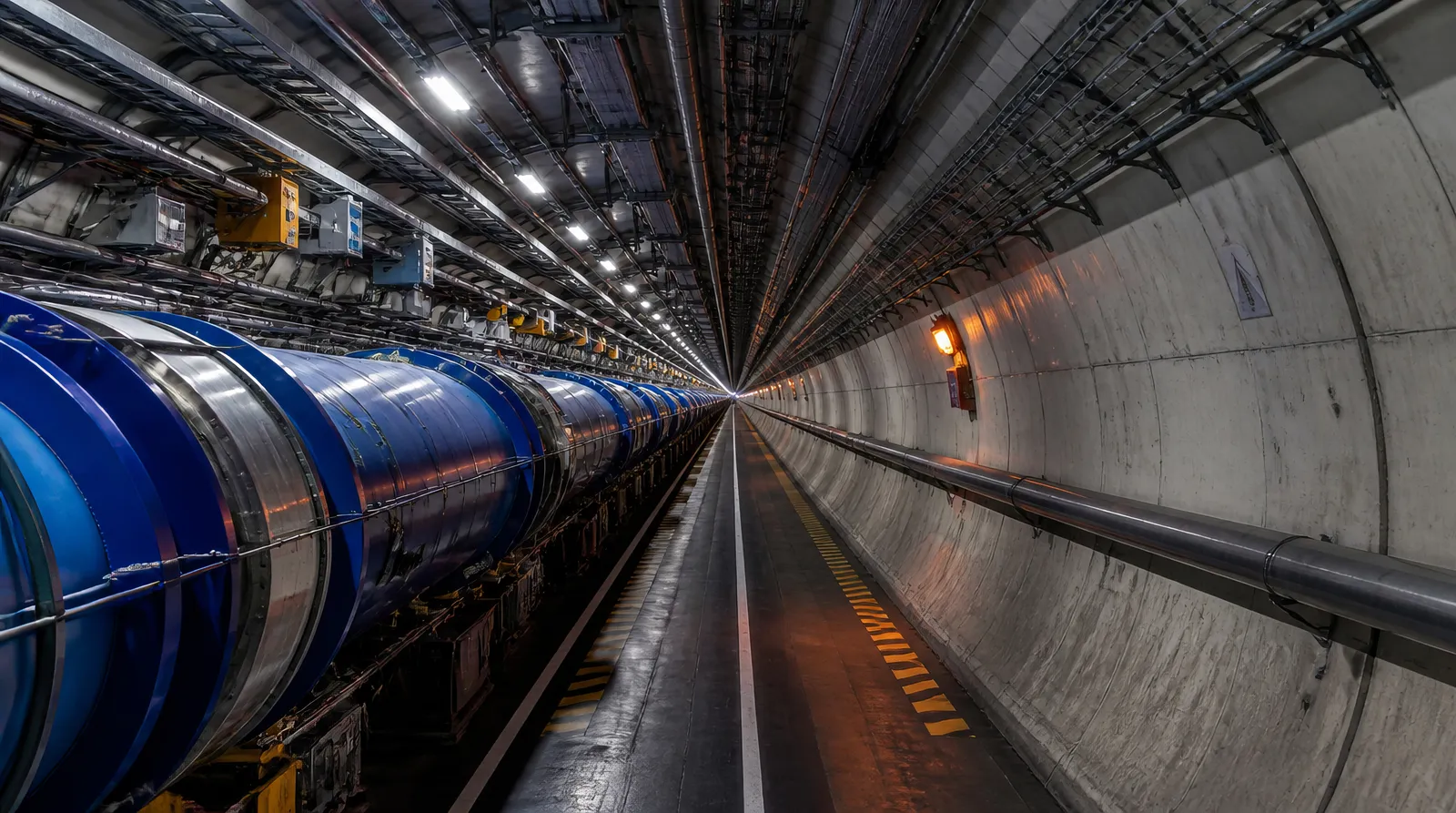
CERN's High-Luminosity LHC superconducting links are the reference case: flexible cryostats each bundling 19 MgB₂ cables, rated for a combined 120,000 amps, with 1,450 km of MgB₂ wire produced for them by October 2023. That is a large conductor order by any measure, and none of it was HTS tape.
The commercial character is unusual. Buyers are public laboratories with long procurement cycles and published requirements, which makes demand forecastable but slow-moving and largely independent of the fusion cycle.
In the cable table: HL-LHC superconducting links
Recent coverage
Keep exploring
For the installations themselves, with lengths, ratings, suppliers and sources, see the cable projects table. For how the conductor is made and why it costs what it does, read how REBCO superconductor tape is made. For what the finished cable actually looks like inside, explore the cable anatomy cutaway. What this site covers and what it leaves out is set out on the about page.